Wygate Park build-out – showing that it’s not actually blind at all

Image


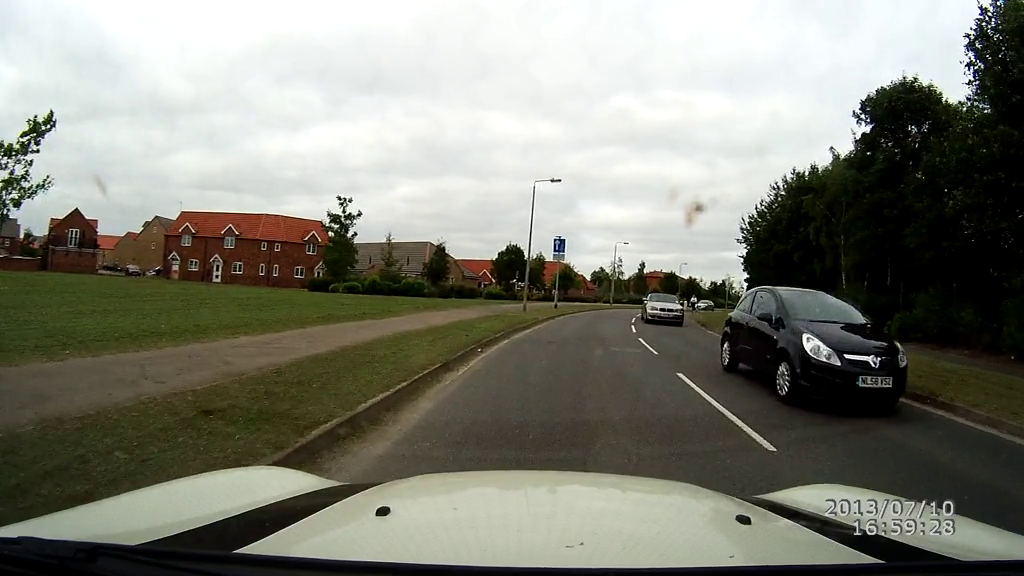
The build-out near the Co-op shop area is visible in the distance.  Even though oncoming drivers are on the other side of the road, my approaching car will still be visible to them IF they are looking ahead and IF they have approached at the appropriate speed.  A give way sign / line means, ‘be prepared to stop!’


Image


It could be argued that, if the trees and bushes on the right are not pruned fully, the view for drivers approaching the build-out, is obscured and they will not be able to see my car for a brief period.  However, this only becomes a problem if they have approached the build-out at such a speed, as to need to brake hard and pull back on to their side of the road, as my car comes in to view.  This issue would of course be made worse, if a car in my position was also exceeding the 30 mph speed limit, as some do.

The fact of the matter is, that the build-out is designed to work in both directions.  Not only should it cause the on coming car to slow, so that the driver has time to see if it is safe to drive on, it should also cause a car in my position to slow, having seen a car driving around the build-out. 


Image

Image

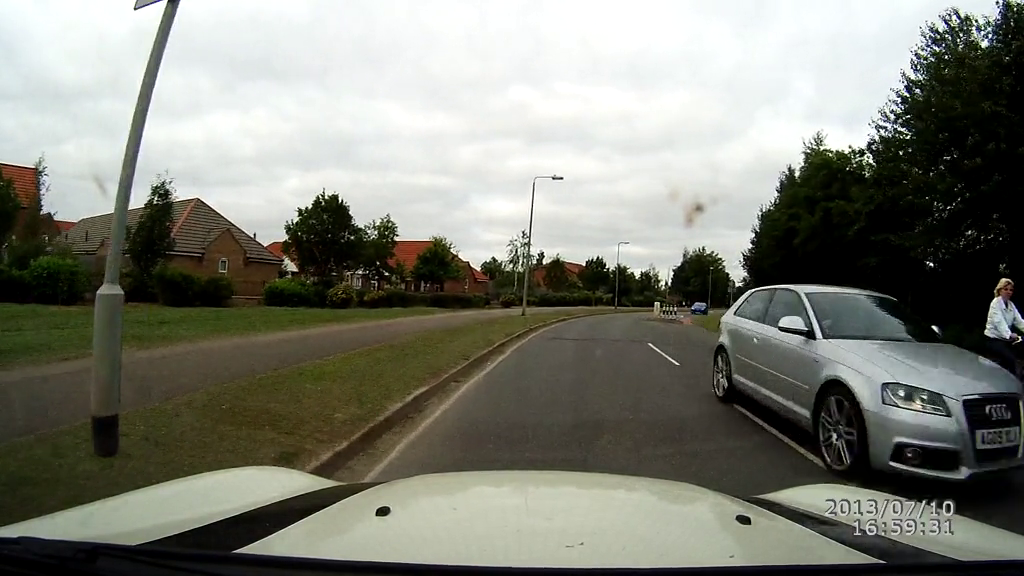
As I’m approaching build-out, a car is approaching at speed and even though they must see me if they are looking ahead, they show no inclination to slow down and speed past the build-out.  Also notice the cyclist just passing through the build-out cycle path – you’ll see why in the next shot.

Image

Having forced their way through, the car driver continues on in the same unsafe manner, dangerously overtaking the cyclist.  Clearly build-outs don’t work when people are this ignorant. 


Why has Wygate Park got those useless buildouts?

The title doesn’t reflect my view by the way, but is a question sometimes asked of me by residents and drivers using the road named Wygate Park.  As an aside, I think that’s a terrible name for the road, as it seems to cause no end of confusion for people, even those who have lived around this area for sometime.  

As well as being the name used to describe the area of new development that was created off of the long established Woolram Wygate, Wygate Park partially shares its name with another long established road off of Woolram Wygate, Wygate Road.  Is it any wonder that people get confused dot com?  Anyway, I digress, back to the subject of this entry, the ‘cursed’ buildouts.

These buildouts were installed in response to the increasing concerns of certain residents and the councillors representing the newly formed Spalding Wygate ward, on South Holland District Council.  I have the honour of being one of those councillors and I make no apology for being partly responsible for this less than perfect traffic calming scheme.  Now for a bit of ancient history, as what was told to me, in days gone by.

Long before I even knew there was such a place as Spalding, let alone an area called Wygate Park, the chap who was the other district councillor for this area, was taking a very active interest in all things political.  Prior to becoming a district councillor, he had had a conversation with a member of the county council’s highways team responsible for planning, along with the developers, the roads in, around and through Wygate Park.  Apparently, the road now called Wygate Park was seen as a golden opportunity to create a defacto western relief road for Spalding and all at the expense of the private sector.  

When I first moved to Spalding, having been posted back from Cyprus by the RAF, I was baffled by both the width and straightness of a road supposedly intended to serve a totally residential area.  I very quickly came to realise that, once finished and opened all the way through to Monks House Lane –  we were living off of what was believed to be the largest cul-de-sac in England at the time, 540 houses with only one road in and out – speeding would quickly become an issue.

Incidentally, despite my concerns, a recent survey by the Lincolnshire Road Safety Partnership, suggests that the average speed on this road is actually 24 mph!  Not for the first time has this exact same figure been quoted to me following a traffic speed survey on another road, something I find slightly suspicious.

Once I became a district councillor, I made a point of voicing my concerns about the design of this road, as often as possible. Hindsight is a wonderful thing I know, but who in their right mind would plan a housing development the size of Wygate Park, on the wrong side of an archaic level crossing and then stick the equivalent of the A1 through the middle of it?  

To make matters worse and possibly because the county council had realised the potential for speeding on such a straight, wide and open-sided road, some totally useless, but very expensive block paviour platforms were added, supposedly as some form of – you’ve guessed it – traffic calming!  

Not only are these platforms useless as a traffic calming measure – I’ve yet to see anybody slow down for them – they also generate an inordinate amount of tyre noise, as cars enter and and exit them at speed.  I can only describe it as a sort of cracking sound. Having mounted a platform, often at speeds in excess of 30mph (notwithstanding the survey!) a loud buzzing noise can be heard again, from the cars’ tyres as they speed across the joints in the block paving.

So, with all these negatives in mind and having seen the impact a busy, fast moving road can have when it’s carved through a residential area, I was determined to do something about it, which brings us nicely back to the buildouts.

With all due respect to the very genuine concerns some drivers have for their own safety whilst negotiating these buildout, it’s not the buildouts that are at fault, its the drivers.  Taking the one near to the Co-op shop, just along from Mariette Way first.  I regularly hear drivers complaining that it is dangerous, because you can’t see what’s coming the other way until you are on the wrong side of the road – sorry folks, you’re wrong.

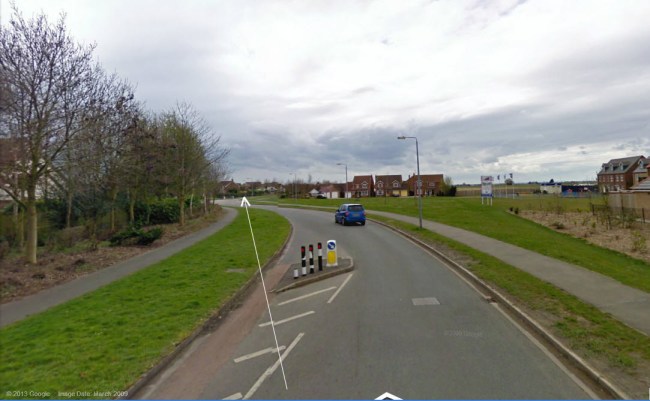
In the image below, using Google Maps street view, I’ve captured, as best I can, the view a driver sees as they approach the buildout.  As you can see from the white line on the photo, by looking well ahead, you can see all the way along the right hand side of the road towards the pedestrian refuge near Claudette Ave and beyond.  This of course is the same side oncoming drivers will be on as you approach this buildout.  IF a driver approaches the buildout at the right speed AND if the driver takes note of the give way sign and line, then he or she will have plenty of time to stop and wait until the road is clear ahead.  

However, if the driver approaches the buildout with the clear intention of not stopping, come hell or high water, then they will of course find themselves making a split second decision – should I stop, or should I go.  Now, because their approach speed was completely inappropriate, they will either find themselves slamming on the brakes, whilst at the same over shooting the give way line, leading to the need for an extreme piece of steering when they move off again or, actually needing to go even faster to get around the buildout, before then throwing the car back on to their side of the road, in order to avoid the on-coming vehicle!  Of course, had they chosen the right approach speed in the first place, all this drama and stress could have been avoided.        

Of course you might be tempted to ask, ‘but what about the bloke coming the other way, what if they’re speeding, I’ve still got a problem.  Not so; if you are driving at the right speed and looking far enough ahead, you will easily be able to assess the road conditions and respond accordingly.   
   

Image     

Pause for the insertion of an extract from a driving tips website, that reminds us of how we were all taught to negotiate a give way sign, all those years ago.

How to approach a give way sign

Approach a give way junction using theMirror Signal Manoeuvre routine (MSM), or better still the MSPSL routine.

This is expected by the driving examinerduring the driving test. To establish whether you need to stop or proceed without stopping, you must assess whether the junction is open or closed.

A closed junction restricts your view of the road and traffic on the road you intend on joining, and open junction is clear to see and determine whether you must stop or proceed. See junctions for further information and a full explanation on open and closed junctions.

Difference between give way and stop sign

Both give way and stop signs are regulatory order signs. The difference between give way and stop signs however is at a stop sign, a motorist must legally stop just before the stop line before proceeding. This is often due to the area that the motorist intends on entering is highly hazardous.

Give way rules are different in that the driver must give way to traffic ahead but do not need to stop if it is determined that it is safe to proceed without doing so.

The same situation applies at the other end towards Monks House Lane, although I will confess, this buildout is slightly trickier, because you can’t see quite as far, especially when the the driver that doesn’t know what the speedo is actually for, is coming the other way.

Image

In summary, those of you who fear for your life every time you enter Wygate Park and have to negotiate one of these buildouts, should think back to when you were learning to drive and try to remember the simple rule – a give way sign means, be prepared to stop.  

The problem with us all these days, is that we’re all in too much of hurry and far too ready to push our way through, even when the traffic lights are on red – but that’s a rant for another day. 

I’m sorry if this all sounds incredibly patronising and superior, but this is my blog page and if I can’t be an annoying know it all here, where can I be? 

Letter to Local Government First magazine – Localism and planning

Dear sir,
 
I was both interested and concerned to see First, Issue 542, peppered with complaints regarding the relationship between the planning system and Localism, some even calling for the abolition of PINS because, apparently, they don’t get it.
 
The Localism Act has introduced much confusion for the public when it comes to influencing the planning process.  Comments made by members of the public on recent contentious planning applications in my own area, clearly indicate a belief that the Localism Act increases the public’s ability to prevent development from going ahead if enough of them shout loudly enough.
 
This mis-interpretation of the Localism Act’s intentions is, in turn, increasing pressure on councillors to be more outspoken and forceful when speaking at committee.  This pressure is increased further by the Localism Act’s guidance to councillors that advises that they can somehow express an opinion and even campaign on a planning issue, without being accused of pre-determination!  I wonder if any high powered planning barrister would be prepared to defend a decision made by a committee populated by such campaigning members?
 
Whilst I very much sympathise with the councillors who made these comments and understand their wish to represent fully their electorates’ views, I’m afraid it is they, not PINS who don’t get it.  
 
There is a clear need for the government to restate its intentions when it comes to how the Localism Act can be used to influence the planning system – through the process that makes the policy, not the one that determines individual applications. 


My best regards, 
 
Councillor Roger Gambba-Jones, 
Planning Committee Chairman, 
South Holland DC, Lincolnshire

Lincs County Council election campaign – better late than never?

About me

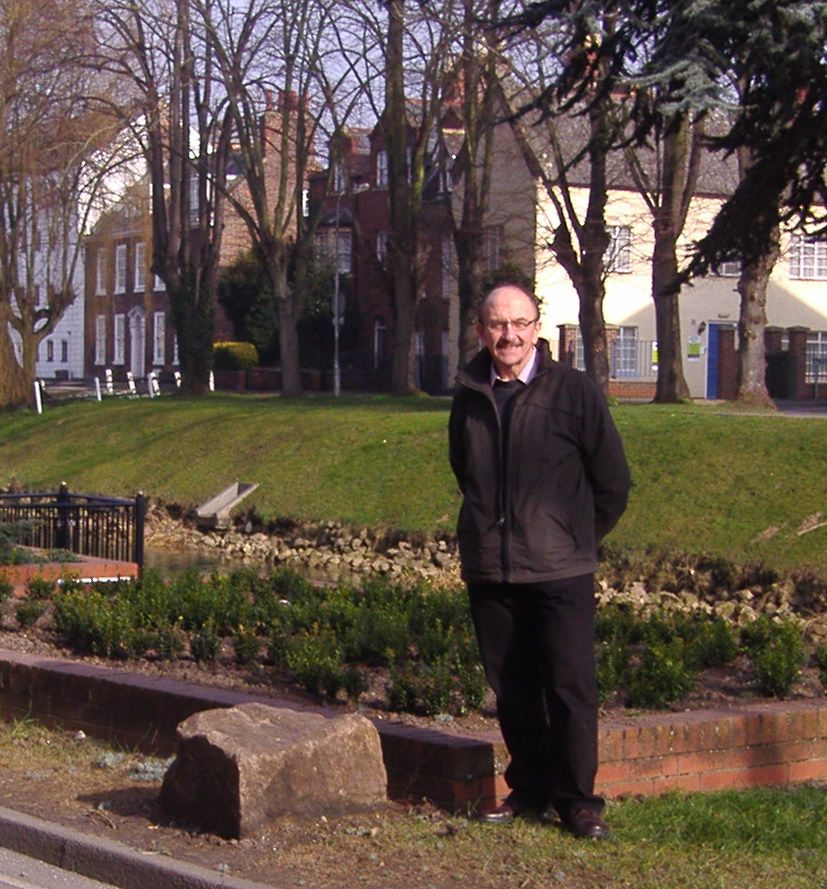
I came to Spalding in February 1996, with my wife Linda and my son Daniel, having completed a tour of duty with the Royal Air Force in Cyprus.  I retired from the RAF in Sep 2005 after 38 years service.  I became a district councillor on South Holland DC in May 1999 and currently hold a cabinet position with responsibility for Waste, Recycling, Green Spaces and Carbon Management. I am also the chairman of the Planning Committee.

First and foremost, I believe that the role of a councillor is to represent the views and interests of all taxpayers, not just those who voted for him or her, or who happen to share the same interests.  A councillor should always be prepared to stand up for what is right and for the fair and equal treatment for all citizens.

During my time as a district councillor, I have come to realise that being at the southern end of Lincolnshire means that we in South Holland have to work that much harder to make our voices heard in Lincoln. I would now like the opportunity to make sure that Spalding South is always one of the voices being heard at our county council.

One of the most important jobs for any elected member is to act as the local face of the council and to work to ensure that people get the best possible service from their district or county council.  As a district councillor, I believe that I have a proven track record of achievement on behalf of those who live in my ward, the people of Spalding and for South Holland.  I am now asking for your support to help me continue this work as a member of Lincolnshire County Council.

As your county councillor, I promise to work hard and to use my experience as district councillor and my deep commitment to South Holland, to promote our district as whole.  I will work hard to ensure that the views of the people of the Spalding South division are fully represented and always properly considered by the county council.

My priorities include:

  • Seeking to reduce traffic congestion and improve the traffic flows in and around Spalding.
  • Finding a way to increase the number of areas currently served by the InTo Town bus service.
  • Encouraging the county council to look at the introduction of a 20mph speed limit in all residential areas.
  • Ensuring that the county council continues to work towards achieving a relief road to the north west of Spalding.
  • Ensuring the residents of Spalding South are fully represented at the county council at every opportunity
  • I will do my utmost to press the county council to find a permanent and effective solution to the traffic congestion in Spalding town centre
  • Continuing to put pressure on Anglian Water to address the stench from West Marsh Road Sewage Works

A few achievements

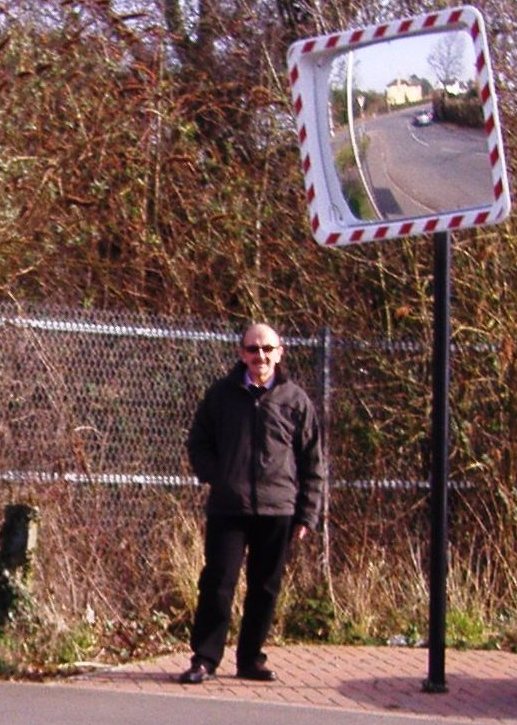
Pedestrian safety mirror Park Rd Spalding

Mirror installed with funding from Spalding Town Forum at junction of Park Rd and Pinchbeck Rd

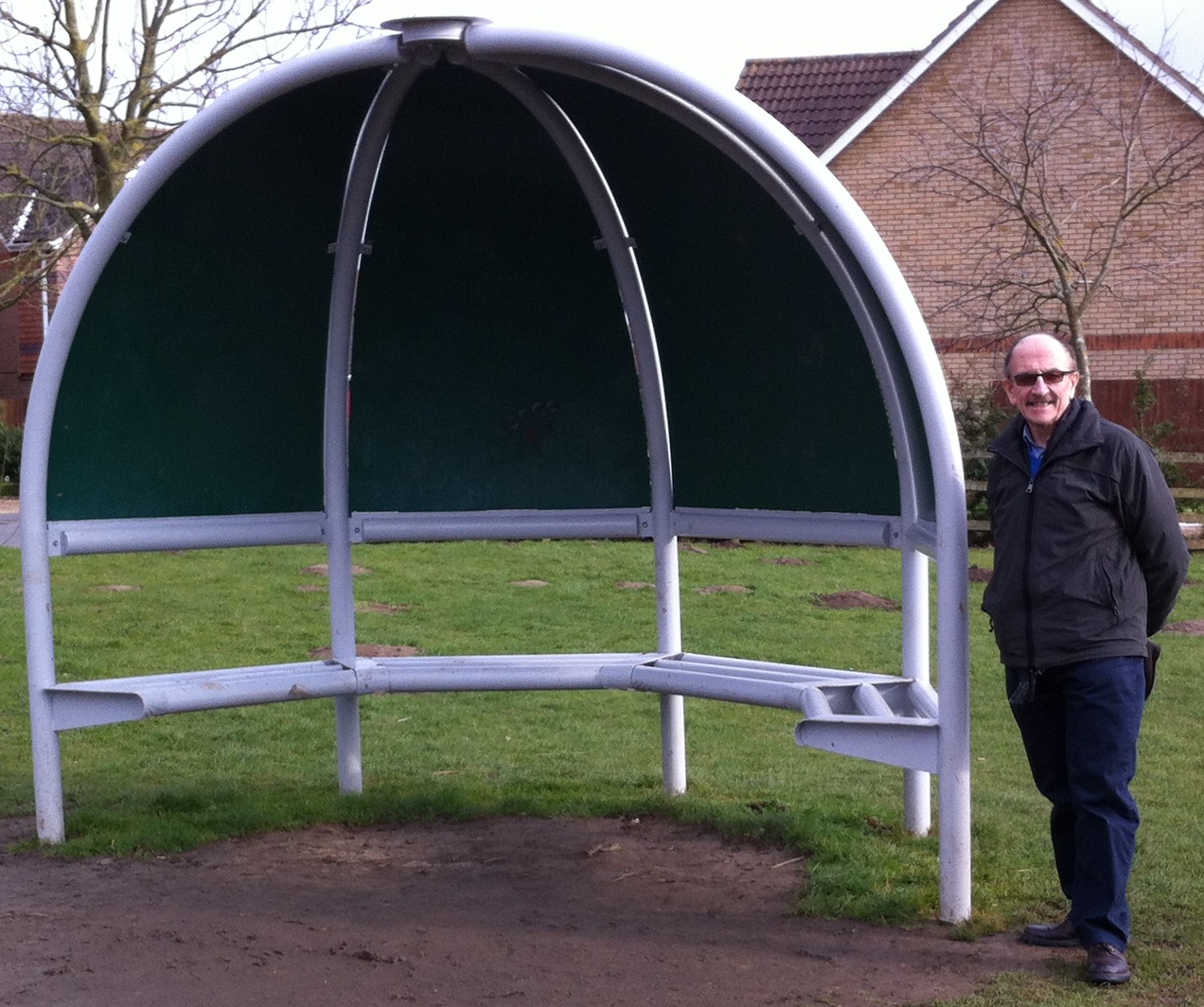
Shelter crop

Part funded from ward budget, youth shelter on open space

OLYMPUS DIGITAL CAMERA

Got the graffiti removed, litter cleared from underneath and the light that had not worked for 18 months, repaired and moved to a new location for better future access

Area of the river bank that was overgrown and blocking views as well as preventing pedestrians seeing traffic clearly. Despite initial outcry from the public, I had it all removed and grassed. Vast majority of the feedback received since is very positive.

Organised installation of decorative stone blocks to discourage drivers mounting grassed verge and ruining this lovely part of the river side.

Councils accused of misusing on-the-spot fines

Oh so easy for some researcher from some obscure think tank – anybody else never heard of this lot? – and suggest how things could be done better. Have they not noticed the carnage local government is suffering all in the name of deficit reduction?

That’s not to say that the public should be treated as cash cows to make up the funding gap, but how else would these sort of issues be dealt with, that didn’t demand far more resources and were likely to be less effective in the short term at least?

I would like to see some sort of public response to this criticism of councils and I don’t mean from the transgressors, but from those who have complained to their local council about these self same issues. I think I could hazard a guess that these people will take a very different view.

Copied from LocalGov.co.uk
Written by Laura Sharman

Local authorities have been accused of using on-the-spot fines as the ‘penalty of choice’, in a new report from the Manifesto Club.

Pavement Injustice argues that with 200,000 fines issued every year, there has been a shift from delivering public services to local authorities adopting a more ‘policing role’. It also argues that some local authorities are using these fines as a means of making extra revenue.

The report also states that on-the-spot fines are issued for a range of incidents, from criminal offences such as theft, to minor offences such as duck feeding or messy gardens.

Report author, Josie Appleton, said: ‘This report argues that on-the-spot fines are in general a lazy, unjust and predatory penalty, inherently disposed towards perverse effects and the arbitrary punishment of innocent people.

‘This report suggests that vast majority of these 200,000 incidents a year would be better dealt with through a different mechanism, whether it be court trial, public communication, school discipline, or – in the case of innocent duck feeders and leafleteers – not punished at all.’

Benefit schemes to be cut back next year

Copied from LGC online
14 March 2013 | By Ruth Keeling

Many people on low incomes will see big jumps in their council tax bills when the government stops funding schemes to cushion them from the removal of benefit, research seen by LGC reveals.

Almost 20% of the 195 billing authorities receiving a share of the £100m pot intend to switch to less generous support regimes in 2014-15 or review the more generous ones that transition cash helps fund, according to National Policy Institute figures.

This comes after the government announced one year of funding for schemes that aim to limit the council tax liability of claimants who previously received a 100% discount on bills to just 8.5%.

The funding, revealed in October, led many councils to change their original plans.

Sabrina Bushe, a researcher at the NPI who is compiling the figures, said they provided an early indication of what authorities would do next year.

“Many councils will simply revert back to the – sometimes quite harsh – schemes that they had initially consulted on,” she said.

The NPI figures show that 13 of the 195 councils will switch back to less generous discount schemes in 2014-15, while 23 will put this year’s regime under review.

Sevenoaks DC, one of the authorities reverting to a less generous discount regime, will expect claimants to pay a minimum of 18.5% of the total tax. Council leader Peter Fleming (Con) said that the 18.5% figure reflected the size of the funding cut applied to Sevenoaks.

The council was unable to use other budgets to plug the financial gap once transition funding ran out, he said. “We are making far more than 10% savings in all our other budgets,” he said.

Referring to the need for councils to fund support schemes, he said: “They have handed us something extra and are not fully funding it.”

Another authority reverting to a less generous scheme is Newcastle City Council, according to NPI’s research. Its proposed scheme for 2014-15 will include a minimum contribution of 20%.

City treasurer Paul Woods said the council would revert to the regime it proposed before ministers announced the transition funding for 2012-13. “As we have already fully consulted on this, further consultation is doubtful and would not be good value for money,” he said.

However, Mr Woods suggested the government could combine the £50m it underspent on the transition funding with any leftover council tax freeze grant to provide a second year of transition funding. “This would give greater certainty and stability while the new arrangements bed in,” he said.

A spokesman for the Department for Communities & Local Government said the grant was to help councils deliver long-term savings.

“The expectation is local authorities will be taking all possible steps to help families with their cost of living, keeping down pressure on council tax bills by sharing services and back-office functions, cutting wasteful expenditure, and smarter procurement,” he said.

“We will consider whether further action is required in due course.”

Full list of councils

Mixed recycling case dismissed by judge

Copied from Local Government Chronicle online
6 March, 2013 | By Neil Roberts

A judge has dismissed the claim brought by members of the Campaign for Real Recycling that sought restrictions on commingled collections, according to the Environmental Services Association.

The claimants had argued Defra and the Welsh Government had not properly transposed the European revised Waste Directive Framework in the Waste Regulations (England and Wales), in particular rules on when commingled collections are allowed.

They argued commingled collections do not produce high quality recyclate while waste firms Biffa and Veolia released statements warned that a victory would force councils to switch to sorting recycling on the kerbside wasting taxpayers money and damaging recycling rates.

ESA said the judge, Mr Justice Hickinbottom, found the governments had properly interpreted European law and that the obligation to set up separate collection of paper, metal, plastic and glass from 2015 applies only where it is necessary to ensure waste undergoes recovery operations and to facilitate and improve recovery and is also technically, environmentally and economically practicable.

ESA’s director general, Barry Dennis told LGC’s sister publication Materials Recycling World: “The ESA has always believed that both the directive and the revised Defra regulations recognise that decisions over local collection methods are complex and that local discretion over the format of recycling collections is needed to ensure that the Directive’s objectives are met. We are therefore pleased that the judge, having examined the matter in great depth, has taken the same view.

“ESA members can now get on with the challenge of working with their local authority customers to select the most appropriate collection system locally. This is vital if we are to continue to make significant increases in recycling rates, so that as much of our waste as possible is returned to productive use.”

The legal action did force the governments to revise the regulations last year to require separate collections only where technically, environmentally and economically practicable and necessary to meet the required standards of reprocessors.

But the CRR rejected that revision as an inadequate transposition of the EU law which demands: “measures to promote high quality recycling” and “separate collections of waste where technically, environmentally and economically practicable and appropriate to meet the necessary quality standards for the relevant recycling sectors.”

The judge also dismised an application by the claimants to refer the case to the Court of Justice of the European Union.

Lopsided story in Telegraph regarding gipsy and traveller sites?

Daily Telegraph Saturday 2nd March. Green belt at risk as gipsy camp rules are enforced.

If this story is a distortion, is the Telegraph becoming a broadsheet tabloid rag?

Local Government Minister Brandon Lewis said:

“This story is completely false. This Government has increased planning protection for the Green Belt and open countryside through National planning guidance and given greater weight to the protection of local amenities and the local environment.

We’ve also increased councils’ powers to tackle unauthorised sites and provided additional funding to councils to provide new authorised pitches which have community support.”

As always, only time will tell, but by then of course, it will be too late.

Lewis accused of hypocrisy over scale of civil service pay-offs

It looks like those appointed to run the department in charge of local government were required to have an in-built dislike for it. Just like Eric Pickles, Brandon Lewis seems to suffer from the disease ‘hypocrisis foot in mouthicus’. Either that or, like Pickles, he’s just a nasty piece of work.

Copied from Local Government Chronicle online
10 January 2013 | By Keith Cooper

Local government minister Brandon Lewis has come under fire for criticising senior council officer pay-offs – despite figures showing that more than 100 civil servants have walked away from his department and its agencies with golden goodbyes exceeding £100,000.

More than 150 civil servants have received ‘exit packages’ of more than £100,000 over the past two years, while 12 received pay-offs of more than £200,000, according to figures in the Department for Communities & Local Government’s most recent annual report.

Fifty-five civil servants received exit packages of more than £100,000 in 2011-12, of which just two were compulsory. This compares with 103 in 2010-11.

Four staff last year received payments of more than £200,000 compared with eight the year before.

Mr Lewis last month told the Daily Telegraph that the “eye-watering” compensation packages paid by councils demonstrated “a lack of respect for the public purse”.

The story mentioned a number of councils that had made payments that Mr Lewis said would “make a Premiership manager blush”.

The leaders of some of those councils said Mr Lewis had shown a lack of respect and a failure to understand how pay deals work.

The figures from his own department have prompted a further backlash from council leaders, with some from his own party accusing him of hypocrisy.

Peter Jones (Con), leader of East Sussex CC, described Mr Lewis’ comments as “a touch of the pot calling the kettle black”.

Mary Orton, honorary secretary of Alace, said: “Everyone in local government has a contract of employment and it is absolutely essential that local government employers respect them.

“The minister would do well to pay attention to the reality of the situation than whatever sounds like a good soundbite.”

A DCLG spokeswoman said the minister was referring to “boomerang bosses who take pay-offs and go to work in another part of the public sector”.

When questioned on DCLG exit packages, she said: “The level of redundancy payment is set in law rather than contract.”

Angus Campbell (Con), leader of Dorset CC, said he would “not dream” of copying Mr Lewis’ accusation. “Clearly the facts of the case in Dorset were not understood and therefore, no doubt, those concerning other local suthorities in the same article were also misrepresented. This unwarranted criticism is a true example of ‘lack of respect’”.

Dorset was accused of having agreed £1.03m in pay-offs to seven senior staff. The actual redundancy payment was £333,107, according to the council. A further £485,733 was paid by the council to their pension funds- a requirement of the scheme’s rules.

Another step towards the past or the USA?

“@TweetyHall: “The balance of power has shifted in your councils away from your officials to you” – @ericpickles to local councillor’s at #cca12”

I’ve lifted this from Twitter, not just because it’s yet another piece of Pickles tripe, but also because demonstrates the dangerous illusion that Pickles is selling to elected members – they can do the job with out the officers. We’ve seen this start with the scrapping of chief executive posts by some councils and the thinning out of senior management posts in many others.

I’m not suggesting that local government hasn’t become top heavy and bloated and that the taxpayer is being over-charged through their council tax to pay for this. However, much of this bloatation (I’ve just invented that word) was caused by the very same organisation now criticising it – central government. The blunt instrument being used to redress the balance, massive cuts in the central grant, is encouraging the culling of officers and the apparent inflation of members’ egos.

Unfortunately, this situation has been forced on local government and members will never have the remotest chance to grow in to their new roles ( if that was ever possible). This will probably play out just as things did in the 1980s, when councils such as Liverpool and it’s then leader Derek Hatton, gave Margaret Thatcher the excuse to centralise much of local government’s powers.

It’s difficult not to feel that when people look back in another 15 or 20 years, they won’t see this as just a repeat of previous local government history and that nothing will have changed. Of course the alternative is, that we have become America!